Storm and Flash Flood Cleanup in High Point
Creek overflow and heavy rain leave silt and contaminated water in High Point garages and lower levels. The crew pumps it out, removes what it touched and treats and dries the space.
(888) 578-4720Call about flood cleanup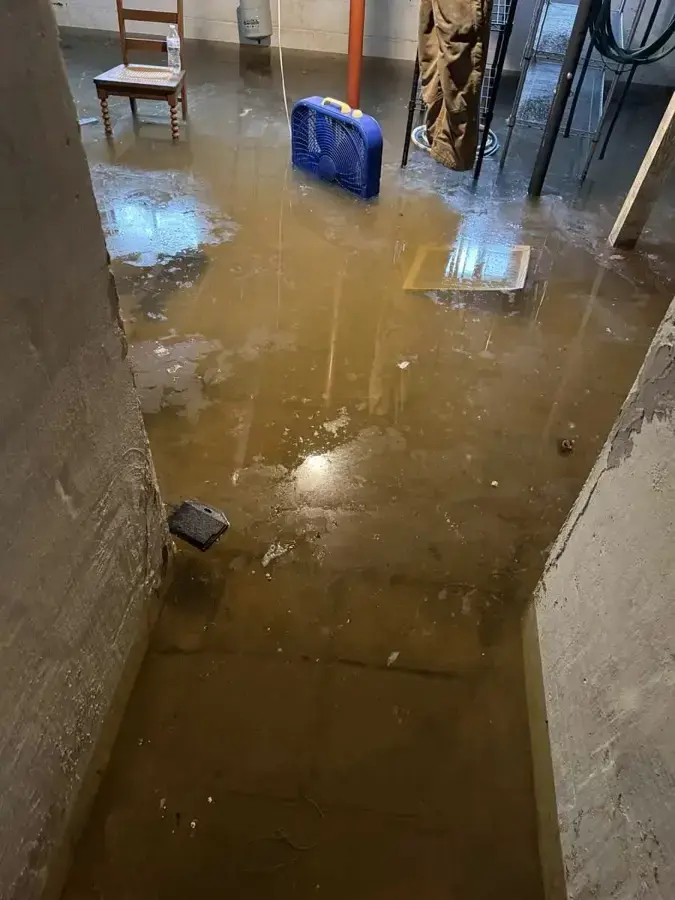
First steps for storm and flash flood cleanup in High Point
- 01
Stay out of the water
Avoid wading through flood water, especially near outlets, appliances and the panel.
- 02
Move valuables up
Carry documents, electronics and keepsakes upstairs or onto high shelves.
- 03
Photograph the flood
Photograph the water level, the damage and any debris before cleanup.
- 04
Call for cleanup
Describe how deep the water is and where it came from, so crews bring the right pumps and protective gear.
How storm and flash flood cleanup is handled in High Point
Flood water is rarely clean. It carries silt, debris and whatever the ground and drains hold, so the work starts with safety and with deciding what can be saved. In High Point, storm overflow has run through Payne Creek, Richland Creek and a Rich Fork Creek tributary.
What does storm and flash flood cleanup cost in High Point, NC?
Depth matters most. Shallow water in a garage or crawl space is the low end of the range, while deep water on several levels, which usually means more removal and longer drying, costs the most.
Garage or one room
- Shallow storm water
- Silt and debris removed
- Treated and dried
Finished lower level
- Carpet, pad and drywall out
- Containment and HEPA air
- Slab and framing dried
Several levels, deep water
- Water above outlets
- Most porous materials removed
- Long drying period
Ranges are typical, not a quote: the water category, square footage, material class and how fast drying started move the number most. Run the water damage cost calculator for a closer range.
The storm and flash flood cleanup process, start to dry
The tech who does the walkthrough maps moisture before any equipment goes down, so the drying plan matches what is actually wet.
- 1
Assess
Power, water depth and contamination are checked first.
- 2
Extract
Pumps lower the water in stages, then silt and debris are cleared.
- 3
Treat
Porous materials are removed and surfaces get antimicrobial treatment.
- 4
Dry
Dehumidifiers and air movers run until readings reach the dry targets.
First look and safety
Standing flood water can hide debris, electrical hazards and sharp objects, so the crew checks the space and the power before anyone wades in. Pumps then lower the water in controlled stages.
- Silt and mud are shoveled and vacuumed out
- Debris that came in with the water is bagged
- Floors are rinsed before treatment begins
What has to be thrown out
Carpet, pad, insulation and drywall that sat in flood water are porous, and they cannot be made safe again. Solid wood framing and concrete are cleaned and treated, then dried to readings.
Furniture, boxes and stored items are sorted and photographed, which helps the insurance claim.
Drying after the flood
Humid subtropical weather slows drying, so dehumidifiers matter as much as air movers. Crews return to log readings and move equipment until the slab, framing and subfloor reach their dry targets, and slow drying is normal after a flood.
- Antimicrobial goes on exposed framing
- HEPA air scrubbing runs during removal
- Drying equipment stays until readings pass
Trade fact: Flood water is treated as contaminated even when it looks like rain, because storm runoff mixes with soil and sewer overflow, and that changes what can be kept.
Storm and flash flood cleanup across High Point and nearby areas
Flood cleanup covers all of High Point, including the Southwest High Point area around Richland Creek and the Woodbrook Drive and Otteray Avenue area near Payne Creek.
The same service nearby: storm and flash flood cleanup in Kernersville, Oak Ridge, Summerfield.
Water damage restoration in High Point · every neighborhood covered
Related water damage services in High Point
Storm and Flash Flood Cleanup questions in High Point, NC
Is flood water considered contaminated?
Yes. Storm and creek overflow can carry sewage, chemicals and bacteria, so porous materials that were soaked are removed and surfaces are disinfected.
Is it safe to pump out a flooded space right away?
Check the panel and outlets first. Pumping too fast against saturated ground can stress walls, so a crew lowers the water in stages and watches the slab.
Does homeowners insurance cover flood damage?
Standard homeowner policies usually exclude rising flood water and require separate flood coverage. Water from a burst pipe or roof leak is treated differently, so ask the insurer.
Where can flood zone information be found?
Flood plain panel maps are available from the city Engineering Services Department, and the North Carolina Flood Risk Information System publishes flood hazard data for the public.
How long until the area is dry after a flood?
Drying usually takes several days to more than a week, depending on the water depth, the materials and the weather, and readings decide when the equipment can leave.
Clear the silt and dry the space
The crew pumps out the flood water, removes what it soaked and treats and dries the structure.
(888) 578-4720Call about this flood loss