Storm and Flash Flood Cleanup in Oak Ridge
Heavy rain can push runoff into a garage, a lower level or a ground floor room. Storm water carries soil and bacteria, so crews clean and disinfect as well as pump and dry.
(888) 578-4720Call about storm flooding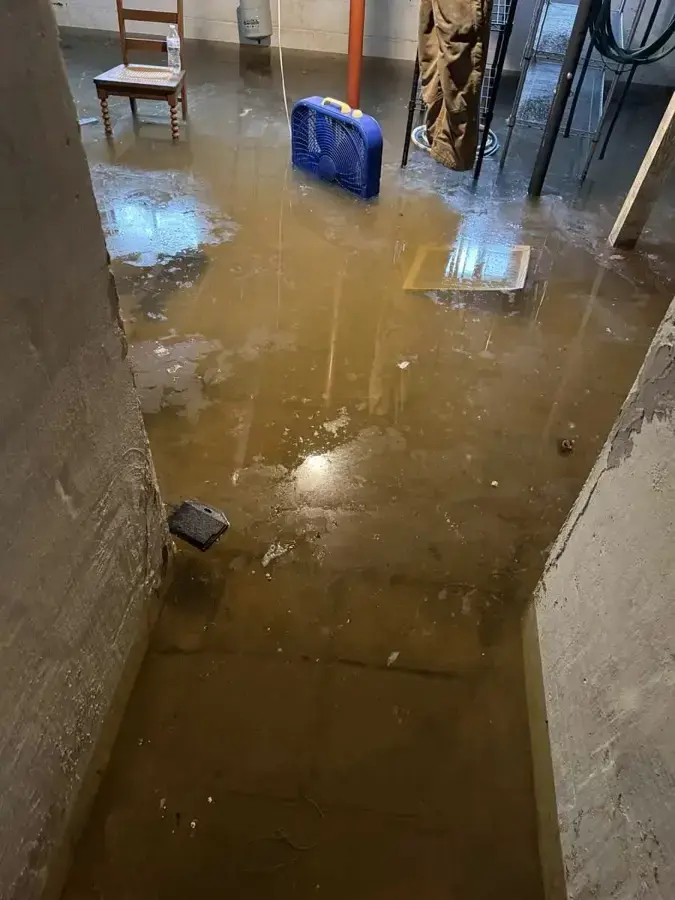
First steps for storm and flash flood cleanup in Oak Ridge
- 01
Stay out of the water
Storm water can hide debris and live wiring. Wait until the power is off and the area is clear.
- 02
Cut the power
Switch off breakers for any flooded area and keep away from submerged outlets.
- 03
Photograph everything
Record the water height, silt and ruined items before cleanup begins.
- 04
Call for cleanup
A crew pumps the water, removes silt and begins cleaning and drying.
How storm and flash flood cleanup is handled in Oak Ridge
Runoff does not behave like a leaking pipe. It crosses yards, picks up soil and whatever else is on the ground, and carries all of it indoors. Guilford County and the state are updating the FEMA flood maps, so owners should not assume anything about their own coverage.
What does storm and flash flood cleanup cost in Oak Ridge, NC?
Storm flood cleanup in Oak Ridge generally costs $3,000 to $30,000. A garage or one room with shallow water costs the least, and deep water through several levels costs the most.
Garage or one room
- Shallow runoff
- Silt and debris removed
- Disinfectant and drying
Finished lower level
- Carpet and drywall removed
- Containment and HEPA air
- Slab and framing dried
Several levels, deep water
- Water above outlets
- Most porous materials gone
- Extended drying
Ranges are typical, not a quote: the water category, square footage, material class and how fast drying started move the number most. Run the water damage cost calculator for a closer range.
The storm and flash flood cleanup process, start to dry
The tech who does the walkthrough maps moisture before any equipment goes down, so the drying plan matches what is actually wet.
- 1
Pump
Water is removed in stages so walls and slabs are not stressed.
- 2
Clear
Silt, debris and ruined materials are bagged and carried out.
- 3
Treat
Surfaces are cleaned and disinfected.
- 4
Dry
Dehumidifiers and meters run until readings flatten.
Why storm water is treated differently
Water from outside is considered contaminated. Porous materials that soaked it up, such as carpet, pad and drywall, are usually removed rather than dried, and hard surfaces are cleaned before drying begins.
- Silt and debris are shoveled and bagged
- Hard surfaces are washed and disinfected
- Soaked porous materials are discarded
Drying after cleaning
Once the surfaces are clean, dehumidifiers and air movers dry slabs, framing and wall cavities. Water that arrived through the roof is covered under storm and roof leak damage. Readings on the studs and bottom plates confirm that moisture is gone before anything is rebuilt.
Clothes, rugs and stored items are sorted early so the salvageable ones are cleaned, and anything that cannot be washed or disinfected is photographed before it is thrown out.
Insurance and records
Many homeowner policies exclude rising water and require separate flood coverage, so photographs and logs matter. For the pumping stage, see basement flooding cleanup.
- Photograph the water height and the damage
- Keep receipts for temporary repairs
- Share moisture logs with the adjuster
Trade fact: Silt left behind after storm water dries is a source of odor and bacteria, which is why cleanup comes before drying.
Storm and flash flood cleanup across Oak Ridge and nearby areas
Crews respond to storm losses across Oak Ridge, from the area around Heritage Farm Park and Cascades Preserve Park to homes along Linville Road and NC 68.
The same service nearby: storm and flash flood cleanup in Kernersville, Stokesdale, Summerfield.
Water damage restoration in Oak Ridge · every neighborhood covered
Related water damage services in Oak Ridge
Storm and Flash Flood Cleanup questions in Oak Ridge, NC
Still dealing with it?
Storm water left in an Oak Ridge home keeps spreading silt and bacteria.
(888) 578-4720Call about storm floodingIs storm water in the house contaminated?
Yes. Runoff carries soil, bacteria and chemicals from outside, so affected materials are handled with protective gear and porous items are usually discarded.
Does homeowner insurance cover flooding from rain?
Often not. Rising water usually requires separate flood coverage, though water that enters through a damaged roof or window may fall under the standard policy.
Can I keep wet carpet after a storm flood?
Rarely. Carpet that soaked up runoff holds contamination, so it is generally removed along with the pad.
Why does the house smell after the water is gone?
Silt and damp materials hold odor. Cleaning and drying remove the source, while air alone will not.
Will the crew need access to the yard?
Sometimes. Crews check how the water entered and whether grading or a drain needs attention, though landscaping repairs belong to other trades.
How long does cleanup and drying take?
A small area may take several days. Several levels or deep water take longer, and readings decide when it is finished.
Get the storm water cleaned out
Crews pump, clear, disinfect and dry, then record the readings for your insurer.
(888) 578-4720Reach dispatch