Storm and Flash Flood Cleanup in Stokesdale
Storm water brings silt, debris and bacteria into a home, so cleanup starts with removal and treatment and drying follows. Owners can check flood hazard data for a property online.
(888) 578-4720Call about flood cleanup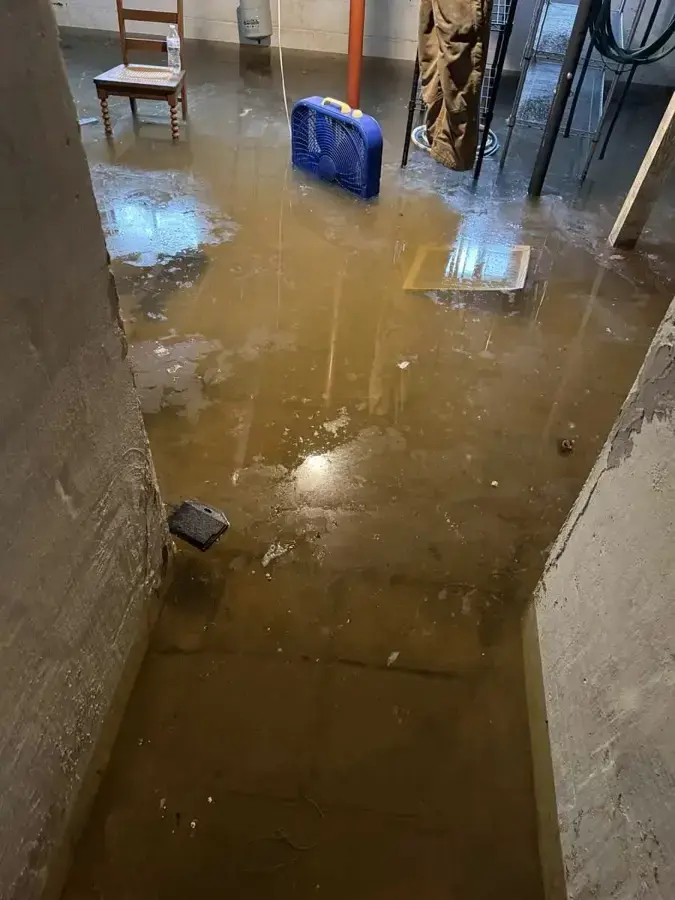
First steps for storm and flash flood cleanup in Stokesdale
- 01
Stay safe
Avoid wading in flood water, since it can hide hazards, carry contamination and touch live wiring.
- 02
Shut off power
If the electrical panel is dry and reachable, switch off wet circuits, or have an electrician do it.
- 03
Record the damage
Photograph the high water mark, the debris and the damaged belongings before cleanup.
- 04
Call for cleanup
Describe how deep the water got and where it entered.
How storm and flash flood cleanup is handled in Stokesdale
Flood water from a storm carries soil, runoff and bacteria, so it is treated as contaminated no matter how clear it looks after settling. The work order differs from a simple leak: remove, clean, treat, then dry.
What does storm and flash flood cleanup cost in Stokesdale, NC?
A garage, crawl space or single room hit by storm water commonly costs $3,000 to $7,000. Finished lower levels run $7,000 to $15,000, and deep water across several levels can reach $30,000.
Garage or one room
- Shallow storm water
- Silt and debris removed
- Antimicrobial and drying
Finished lower level
- Carpet and drywall removed
- Containment and HEPA air
- Slab and framing dried
Deep or multi level water
- Water above the outlets
- Most porous items removed
- Extended drying
Ranges are typical, not a quote: the water category, square footage, material class and how fast drying started move the number most. Run the water damage cost calculator for a closer range.
The storm and flash flood cleanup process, start to dry
The tech who does the walkthrough maps moisture before any equipment goes down, so the drying plan matches what is actually wet.
- 1
Clear
Mud, silt and debris are removed, and standing water is pumped out.
- 2
Remove
Porous materials that sat in the flood are cut out and bagged.
- 3
Treat
Surfaces are washed and sprayed with antimicrobial products.
- 4
Dry
Dehumidifiers and air movers run until readings reach dry targets.
Looking up flood information
Property owners can check flood hazard data and maps on the North Carolina Flood Risk Information System. The town's development rules include a Flood Damage Prevention section, which is worth reading before any rebuilding.
- Check the hazard map for the property
- Ask the town about rebuilding rules
- Keep photos of the high water mark
Cleanup order
Mud and debris are shoveled and vacuumed out, then water is pumped or extracted. Porous materials that sat in the water, such as carpet, pad and lower drywall, are removed.
Hard surfaces are washed and treated with antimicrobial products before drying equipment is set.
Items that cannot be washed, such as upholstered furniture, mattresses and soaked cardboard, are sorted into a discard pile and photographed first so the claim list is complete.
Drying after the flood
Dehumidifiers and air movers run on the slab, framing and wall cavities once the area is clean. Readings are logged until every material is dry, and basement flooding cleanup steps apply to lower levels. Contaminated drain backups fall under sewage backup cleanup.
Trade fact: Floodwater that has touched a building is treated as contaminated, because it mixes with soil, runoff and household chemicals along the way.
Storm and flash flood cleanup across Stokesdale and nearby areas
Flood cleanup covers properties along NC 68, NC 65 and US 158, around Belews Lake and near Stokesdale Elementary School, in ZIP code 27357.
The same service nearby: storm and flash flood cleanup in Kernersville, Oak Ridge, Summerfield.
Water damage restoration in Stokesdale · every neighborhood covered
Related water damage services in Stokesdale
Storm and Flash Flood Cleanup questions in Stokesdale, NC
Still dealing with it?
Flood water carries contamination, so cleanup should not wait. Describe the water depth and what it reached.
(888) 578-4720Call about flood cleanupIs flood water always contaminated?
Treat it that way. Storm water mixes with soil, runoff and sewage on its way into a home, so porous materials that sat in it are removed.
Where can I check flood hazard data?
The North Carolina Flood Risk Information System lets owners look up flood hazard data and maps for a property.
Can carpet be saved after a flood?
Almost never. Carpet and pad that sat in storm water are removed, because cleaning the surface does not make the layers underneath safe.
How long does drying take after a flood?
Cleanup comes first, then drying often takes about a week or more, depending on how deep the water was and how many materials stayed wet.
Does flood damage fall under homeowners insurance?
Often not. Flood coverage is usually separate from a standard homeowners policy, so ask the carrier what applies before work begins.
Storm water in your Stokesdale home?
Call now so the right pumps and protective gear are packed.
(888) 578-4720Call about cleanup